

Parental alienation syndrome is a term for a pattern in which a child, during or after a separation, rejects one parent without good reason, often because of the influence of the other parent. The label has been used since the 1980s to describe children who suddenly refuse contact with a loving mother or father, and it remains contested. Many researchers and Canadian courts prefer to talk about parental alienation or alienating behaviours rather than a formal “syndrome,” since it isn’t a recognized medical diagnosis. That disagreement matters less than the question parents are really asking: what is happening to my relationship with my child, and what can I do about it?
For fathers who want to stay actively involved in their children’s lives, that question can feel especially urgent. Warning signs, such as unexplained hostility, repeated refusals of parenting time, or a child echoing adult language, deserve a calm, documented response, not panic or blame. Courts look at the child’s best interests and the evidence in front of them, not labels alone. Understanding the term, the debate around it, and the practical steps available puts you in a stronger position, and it also shows why many families are calling for family law reform that protects children’s bonds with both parents.
What Is Parental Alienation Syndrome? Understanding the Term in Plain Language
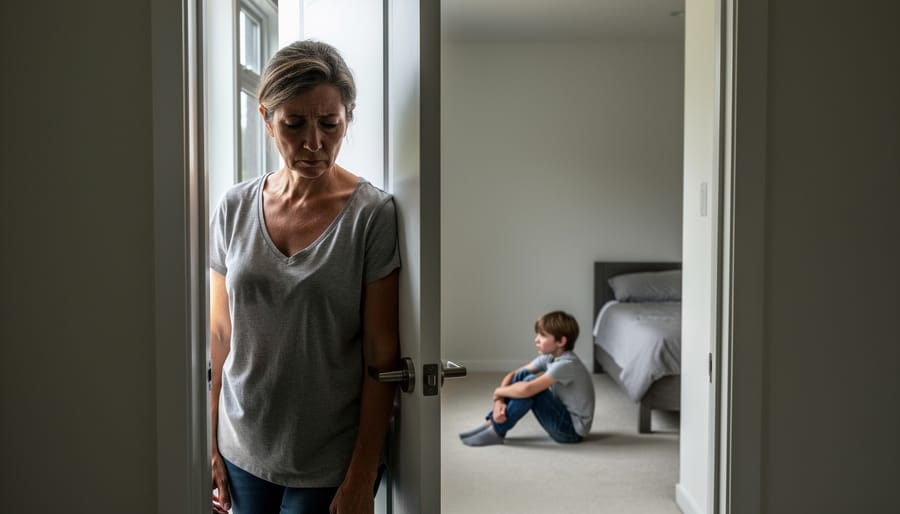
Where the Term Came From and Why It Is Debated
The term “parental alienation syndrome” was introduced in the mid-1980s by American child psychiatrist Dr. Richard Gardner. He observed a pattern in some high-conflict custody disputes where a child strongly and persistently rejected one parent, and he proposed that this was a distinct condition driven largely by the other parent’s influence. His ideas drew attention quickly, and the phrase spread through family courts and the media.
It also drew pushback. Critics, including many researchers and mental health professionals, pointed out that Gardner’s “syndrome” was never accepted as a formal diagnosis. The label has not been adopted in the major diagnostic manuals, and the debate over whether it describes a medical syndrome continues. You can read more about why it is Not a formal diagnosis in the academic discussion of the topic.
Supporters of the concept, on the other hand, say the underlying pattern is real and painful for families. They argue that children can be pulled into a parent’s conflict and lose a healthy relationship with the other parent as a result. Many now prefer to talk about “parental alienation” as a set of behaviours and dynamics rather than as a syndrome in the child.
Much of the current discussion centres on terminology and on how the idea is used in court. Some worry the label can be misapplied, for example when a child has legitimate reasons to avoid a parent. Others worry that real alienation goes unrecognized. Both concerns deserve to be taken seriously, and most thoughtful voices agree that each family’s situation needs careful, individual assessment.
Alienation vs. Justified Estrangement
A child who pulls away from a parent is not automatically being alienated. Reluctance to spend time with someone can grow from many places, and it helps to keep an open mind about all of them.
Sometimes it’s ordinary developmental stress. Children and teens often struggle with transitions between homes, new routines, or a parent who is still finding their footing after separation. Other times, a child is reacting to something real. Family violence, abuse, neglect, or a parent’s untreated addiction or mental health crisis can all lead a child to withdraw, and that is justified estrangement, not alienation. Fear and distance in those situations deserve to be taken seriously and acted on.
And yes, in some families a child’s rejection is shaped by one parent’s influence over the other relationship. Telling these situations apart is hard, which is exactly why guesswork and snap judgments do so much harm.
Careful, professional assessment matters here. Trained family professionals, including mental health practitioners and court-appointed assessors, can look at the full picture, listen to the child, and consider each parent’s account. Their work should never begin from the assumption that one parent is lying.
Whatever the cause, no one’s concerns should be dismissed. A parent worried about being shut out and a parent worried about their child’s safety both deserve to be heard.
What the Canadian Symposium for Parental Alienation Syndrome Brings to the Conversation
When a topic is as emotional and contested as this one, no single profession holds all the answers. That is where a gathering like the Canadian Symposium for Parental Alienation Syndrome earns its place. It creates a shared space where people who see the issue from very different angles can sit in the same room and learn from one another.
Those voices typically include researchers, lawyers, judges, mental health practitioners, mediators, and parents who have lived through high-conflict separations. A therapist may notice things a lawyer never sees, and a parent’s experience can sharpen the questions researchers ask. Bringing these perspectives together helps replace assumptions with understanding.
The conversations tend to cover several practical areas. Researchers discuss what the evidence does and does not show about children’s resistance to a parent. Practitioners compare approaches to assessment, including how to tell alienation apart from estrangement that has a legitimate cause. Legal professionals look at how courts respond to these concerns, and clinicians explore reunification approaches that aim to rebuild a child’s bond with a parent in a safe, child-centred way. Support for parents who feel overwhelmed and isolated is often part of the discussion too.
The real value lies in how this dialogue can reach families. When professionals share what they know and openly debate where they disagree, the guidance parents receive becomes more consistent and more grounded in evidence. That matters in a country where family law varies by province and territory, and where families often meet very different levels of understanding depending on where they live.
For parents, it is also a reminder that serious, respectful people are working on this problem. You are not facing it alone, and neither are the professionals trying to help.
Recognizing the Signs: Behaviours Parents and Professionals Often Describe
How Fathers in Particular Can Be Affected
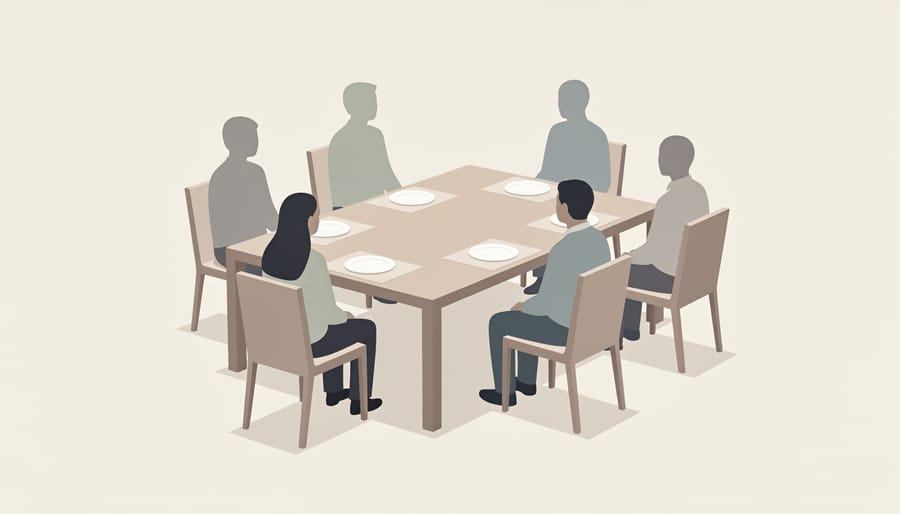
If you’re a father who feels shut out of your child’s life, the pain can be hard to put into words. Missed bedtimes, unanswered calls, and a child who once ran to greet you now keeping their distance can leave you feeling grief, confusion, and a deep sense of helplessness. Those feelings are real, and they matter.
Fathers play a vital role in raising children. Research on child development consistently shows that kids benefit from warm, involved relationships with both parents. When a father is pushed to the margins, whether through circumstance, conflict, or a child’s resistance, the loss is felt by everyone in the family, especially the children.
Many fathers also describe a quiet isolation. Some worry that others will assume they must have done something wrong. Some hesitate to speak up for fear of sounding bitter or being dismissed. Over time, the stress can show up as exhaustion, anxiety, or withdrawal, which can make it harder to show up the way your child needs you to.
It’s important to say that alienation concerns are not limited to fathers. Mothers can be affected too, and so can grandparents and other loving relatives. The heartbreak of a strained parent-child bond doesn’t belong to one gender, and no parent’s experience should be brushed aside.
What helps most is patience, steady presence, and support. Reaching out to trusted friends, a counsellor, or a parent support group can keep you grounded while you work toward rebuilding connection at a pace that’s right for your child.
Practical Steps If You’re Worried About Your Child’s Relationship With You

What to Avoid
When you’re hurting, it’s tempting to react in ways that feel justified in the moment. Some of those reactions can quietly deepen the divide you’re trying to bridge.
Try not to vent to your child about the other parent, even when the frustration is real. Children aren’t equipped to carry adult pain, and hearing it can leave them feeling torn. Resist retaliating too, whether that means withholding support, escalating arguments, or matching conflict with conflict. Pressuring a child to choose sides, or questioning them about the other household, puts them in an impossible position.
Instead, lean on steady, calm routines and good parental teaching that models respect, even when things are difficult. Encouraging critical thinking helps children weigh what they hear without feeling forced to take a stance. And don’t overlook the basics: a rested child copes better with big feelings, so simple sleep remedies can make transitions between homes easier for everyone.
How Canadian Family Courts Approach Alienation Concerns
When parents separate, Canadian family courts start from one question: what is best for the child? That means looking at the child’s safety, emotional needs, and day-to-day stability. The law in this area is the same across the country in spirit, but each province and territory has its own rules and processes, so the details can differ.
In practice, judges often consider how well each parent supports the child’s relationship with the other parent. A parent who encourages healthy contact, shares information respectfully, and avoids pulling the child into adult conflict generally helps their own case. Courts also take seriously any genuine safety concerns, so a child’s reluctance to see a parent is not automatically treated as a problem with the other parent.
Because these situations are rarely simple, courts usually rely on evidence rather than labels. Judges tend to look at patterns of behaviour over time, not a single incident or a catchy term. To get a clearer picture, a court may turn to several supports:
– Mediation, to help parents reach agreements without a trial
– Parenting assessments, where a trained professional meets with the family and reports back
– Counselling or parenting programs, sometimes ordered by the court
– Supervised or gradually increased contact, to rebuild a strained relationship safely
Family stability matters beyond parenting time, too. Practical questions like support payments and child care benefits can shape how smoothly a child moves between two homes, so it helps to understand how they fit into your situation.
Every family’s circumstances are different, and the rules depend on where you live. A qualified family lawyer in your province or territory can explain your options, help you document your concerns calmly, and guide you toward the approach most likely to protect your child’s wellbeing.
Why This Conversation Points to the Need for Family Law Reform
When families separate, the legal system should make it easier for children to stay close to both parents, not harder. The experiences parents share around alienation concerns point to gaps that reform could help close.
The Canadian Parents Organization advocates for shared parenting as the starting point in family law, because children generally do best when they keep strong, healthy bonds with both parents. Several practical changes would support that goal.
First, high-conflict cases need faster resolution. Months of delay can harden a child’s resistance and deepen a parent’s sense of loss. Timely, child-focused processes protect relationships while there is still time to repair them.
Second, families need better access to mediation and parent education. Learning how to co-parent, manage conflict and keep children out of the middle is a skill, and it shouldn’t depend on how much a family can afford to spend.
Third, professionals need consistent training. Lawyers, judges, assessors and counsellors benefit from a shared, evidence-informed understanding of how children respond to conflict. That includes telling apart alienation from justified estrangement, so that every family’s concerns are taken seriously.
Finally, policies should protect children’s bonds with both parents, whether the parent is a father or a mother. Everyday parenting, from bedtime routines to simple things like offering safe snacks after school, is where those bonds are built and sustained.
You can help move this forward. Share your experience respectfully, contact your elected representatives, and support organizations working for reform. Constructive, child-centred voices are the ones that change policy.
Common Questions About Parental Alienation
Parents often arrive at this topic worried and unsure who to ask. These are some of the questions we hear most, answered plainly and without blame.
Is parental alienation syndrome an official diagnosis?
No. It isn’t listed as a formal diagnosis in the major diagnostic manuals, and professionals still debate the term. Many prefer to talk about parental alienation as a pattern of behaviour that deserves careful, individual assessment.
Can it happen to mothers as well as fathers?
Yes. Concerns about alienation can affect either parent, and children in any family structure can be caught in high-conflict separations.
How is it different from a child simply wanting less time with a parent?
Children pull back for many reasons, including age, schedules, loyalty worries, and sometimes genuine safety concerns. What matters is understanding the cause, which is why a professional assessment is more reliable than a quick conclusion.
Can relationships be repaired?
Many can, though it often takes patience, consistency, and the right professional support. Staying calm, warm, and reliable gives a child a safe path back.
If you’re wondering where to turn, a good starting point is a family lawyer in your province or territory, along with a counsellor or mediator who has experience with high-conflict separations. Peer support matters too. Talking with other parents who understand what you’re facing can ease the isolation and help you keep your focus where it belongs: on your child’s wellbeing and their chance to love both of their parents.
If you’re worried about a strained bond with your child, you are not alone. Many Canadian parents carry this same ache after separation, and reaching out for understanding and support is a sign of strength, not failure.
Whatever label we use, the goal stays the same: a child who feels safe, loved and free to build healthy relationships with both parents. That means staying patient, keeping your focus on your child’s wellbeing, and getting qualified help when you need it.
Forums like the Canadian Symposium for Parental Alienation Syndrome matter because they bring researchers, legal professionals, mental health practitioners and parents into the same conversation. Careful, evidence-informed dialogue is how our understanding improves and how families end up better served.
We invite you to explore the Canadian Parents Organization’s resources on shared parenting, and to add your voice to the push for family law reform. When parents speak up constructively, children’s bonds with both parents get the protection they deserve.