

Critical thinking isn’t something children simply develop on their own. It’s a collection of nine distinct, teachable skills that parents can actively nurture through everyday conversations, problem-solving moments, and intentional modeling. These traits are curiosity, open-mindedness, analytical thinking, objectivity, healthy skepticism, problem-solving skills, reflection, logic and reasoning, and independent thinking. Teaching them requires consistency, patience, and a willingness to let kids wrestle with questions rather than simply providing answers.
For parents raising children across different households or coordinating parenting approaches, these skills offer a universal foundation that transcends living arrangements. Whether you’re having dinner together every night or connecting on weekends, the strategies for building critical thinking work in any family structure. Fathers, in particular, often bring valuable perspectives to teaching analytical and problem-solving skills, and active involvement in developing these traits strengthens both the parent-child bond and the child’s cognitive development.
The nine traits fall into three broad categories: foundational curiosity and open-mindedness that spark inquiry, middle-layer skills like analysis and objectivity that process information, and higher-order abilities such as independent judgment and reflection that guide decision-making. Each trait builds on the others, creating a framework that helps children evaluate information, resist manipulation, and make thoughtful choices as they grow.
What follows is a concrete breakdown of each trait, why it matters, and specific, practical ways you can teach it starting today. No special training required, just your time, attention, and commitment to raising a thoughtful, independent thinker.
Why These 9 Traits Matter Most
These nine traits weren’t chosen at random. Each one is developmentally appropriate for children across a wide age range, from early childhood through adolescence. They’re also teachable through everyday interactions, no special curriculum or formal lessons required. A conversation at dinner, a disagreement with a sibling, or a decision about screen time can all become opportunities to practice these skills.
What makes this particular set foundational is that each trait builds on the others. Curiosity fuels open-mindedness, which strengthens analytical thinking, which supports objectivity, and so on. Together, they form the cognitive toolkit children need to navigate school challenges, friendship dynamics, moral decisions, and eventually adult responsibilities.
These skills also transfer seamlessly across environments. A child who learns to question assumptions at home will apply that same skill when evaluating peer pressure at school. One who practices reflection after a mistake will carry that habit into sports, academics, and relationships. You’re not just teaching isolated behaviors; you’re shaping how your child’s mind approaches problems for life.
1. Curiosity: The Foundation of Learning
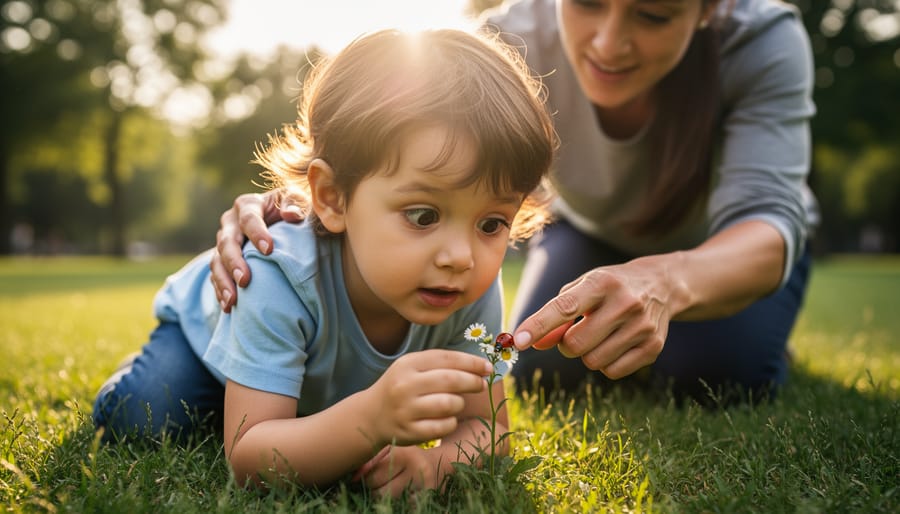
Curiosity is what turns everyday moments into learning opportunities. When children wonder why leaves change color or how bridges stay up, they’re not just gathering facts, they’re building the mental habit of seeking understanding. That drive to ask “why” and “how” forms the bedrock of critical thinking because it pushes kids beyond accepting things at face value.
The good news is that children are naturally curious. Your job as a parent isn’t to create curiosity from scratch but to protect and channel it. Young kids ask dozens of questions daily; the challenge is resisting the urge to shut down that questioning when it becomes inconvenient or repetitive.
Start by taking their questions seriously. When your seven-year-old asks why the sky is blue, avoid dismissive answers like “because it just is.” Instead, explore together: “That’s a great question. What do you think?” This response validates their curiosity and invites them to theorize before you provide information.
Make wondering out loud a regular practice. At the grocery store, you might say, “I wonder why they keep the milk all the way at the back of the store.” On a walk, ask, “What do you think that bird is looking for?” These simple prompts teach children that questions aren’t reserved for school, they’re tools for understanding the world everywhere.
Give children time and space to investigate. When your child wants to take apart an old remote or spend twenty minutes watching ants on the sidewalk, resist rushing them along. Those moments of focused exploration teach persistence and observation skills that serve critical thinking long-term.
2. Open-Mindedness: Welcoming Different Perspectives
Open-mindedness lets children engage with the world as it is, not just as they assume it to be. When kids learn to welcome perspectives different from their own, they build flexibility in thinking that serves them in friendships, school debates, family discussions, and eventually workplace collaboration.
Start by demonstrating genuine curiosity about your child’s reasoning, even when you disagree. Ask “What made you think that?” or “How did you come to that conclusion?” rather than immediately correcting. This signals that different viewpoints deserve consideration before judgment.
Expose children to varied perspectives through books, conversations with people from different backgrounds, and discussions about how reasonable people can see the same situation differently. When your child encounters an opinion that conflicts with their own, guide them to identify what the other person values or experiences that might lead to that view.
Practice perspective-taking through simple exercises. Ask “How do you think your teacher felt when that happened?” or “Why might your friend have made that choice?” These questions build the mental habit of stepping outside one’s own position.
Model open-mindedness in your own conversations. Say things like “I hadn’t thought of it that way” or “That’s a fair point I didn’t consider” when appropriate. Children absorb how adults handle disagreement more than they remember the specific topics debated.
Avoid dismissing ideas as “wrong” without explanation. Instead, help children evaluate the strengths and limitations of different viewpoints, teaching them that holding a position doesn’t require rejecting everything else. This balanced approach prevents rigid thinking while maintaining the ability to form clear judgments.
3. Analytical Thinking: Breaking Problems Into Parts
Analytical thinking means teaching your child to look at a problem from multiple angles before jumping to a conclusion. Instead of reacting immediately when something goes wrong, children who think analytically pause, identify what’s actually happening, and consider different factors at play.
For younger children (ages 4-7), start with simple cause-and-effect observations. When a block tower falls, ask “What made it tip over?” rather than simply rebuilding it. Help them notice patterns: “You stacked the big blocks on top of the small ones. What happened?” This trains them to examine what led to an outcome.
School-age children (8-12) can handle more complex analysis. When they face a homework challenge or friendship conflict, guide them through breaking it down: “What are the different parts of this problem? What do we know for sure? What are we guessing?” Encourage them to write or draw the components if that helps.
Teenagers benefit from being asked to defend their reasoning. When they make a request or express frustration, respond with “Walk me through your thinking on that.” This isn’t interrogation, it’s helping them articulate the steps in their own logic. You’re showing them that good decisions come from examining all the pieces, not just the loudest feeling.
The key is resisting the urge to solve problems for them. Your role is to ask the right questions and model the process, then step back and let them work through it.
4. Objectivity: Separating Facts from Feelings
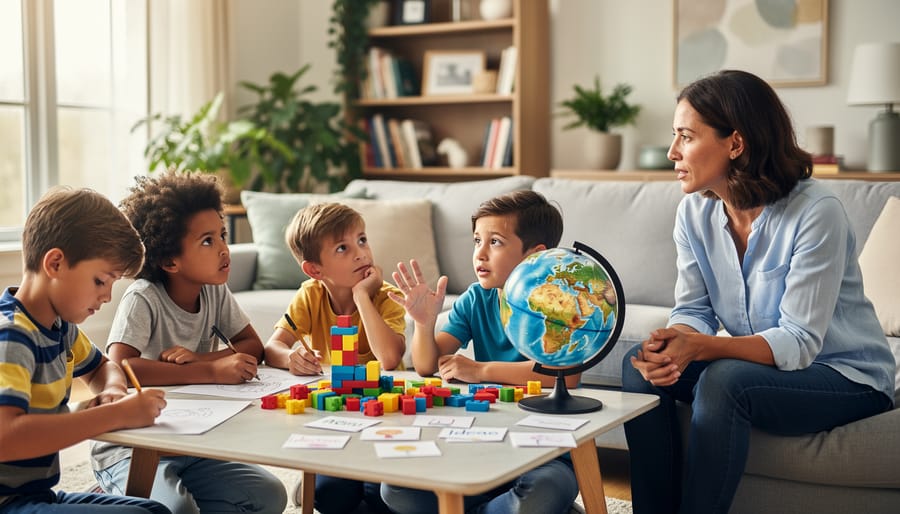
Objectivity means helping your child see what’s actually happening, separate from how they feel about it. A younger child might insist “You never let me have treats!” when you said no once today, their disappointment feels so big it overshadows the facts. Teaching objectivity gives them tools to step back and assess situations more accurately.
Start by naming the difference out loud. When your seven-year-old storms in claiming their teacher “always” picks on them, you might say, “I hear you’re frustrated. Let’s figure out what actually happened versus how it made you feel.” Walk through the concrete events: “Your teacher asked you to redo your work, that’s what happened. You felt embarrassed, and that’s valid. But does one correction mean she always picks on you?”
For younger children, use everyday moments. If your preschooler declares “I hate broccoli” after one bite, ask them to describe what they tasted, bitter, crunchy, green, before deciding how they feel about it. This simple separation builds the habit early.
Older kids benefit from comparing their interpretation with observable evidence. When a preteen insists “everyone” thinks something or “nobody” likes them, gently challenge the absolutes: “You feel left out, that’s real. Did everyone actually say that, or are you guessing based on how you felt at lunch?”
This skill proves valuable when children encounter misleading information. Understanding vaping facts versus what peers claim, for instance, requires distinguishing verifiable data from peer pressure and emotions.
Model it yourself by thinking aloud: “I felt annoyed when I got that email, but looking at the actual words, they weren’t criticizing me, I just read it that way.”
5. Healthy Skepticism: Questioning Without Cynicism
Healthy skepticism means teaching your child to ask “How do we know that’s true?” without sliding into distrust or negativity. It’s the difference between questioning a claim to verify it and rejecting everything out of hand.
Start by modeling evidence-based thinking yourself. When your child hears something surprising, guide them through simple questions: “Where did you hear that? Can we check another source? Does that match what we already know?” This habit strengthens their ability to evaluate information rather than accepting or dismissing it reflexively.
Make it a game with younger children. When watching shows together, pause occasionally and ask, “Do you think that really happened, or is it just for the story?” With older kids, discuss news stories or social media claims at dinner. Ask what evidence supports the claim and what might be missing.
Teach the concept of reliable sources age-appropriately. Even a seven-year-old can grasp that some websites are more trustworthy than others, just as they learn to follow safe snack tips from credible sources rather than random advice.
The key is maintaining curiosity without breeding cynicism. Frame it as detective work, not fault-finding. Praise your child when they thoughtfully question something rather than believing it immediately, and equally when they accept well-supported information. This balance helps them navigate misinformation while staying open to learning.
6. Problem-Solving Skills: Finding Solutions Independently

Problem-solving turns abstract thinking into action. When children learn to tackle challenges independently, they gain confidence and resilience that extends far beyond homework or household chores.
Start with problems they can actually solve. A three-year-old can figure out how to reach a toy on a high shelf. A seven-year-old can plan what to pack for a sleepover. A twelve-year-old can troubleshoot why their device won’t connect to WiFi. The key is matching the challenge to their current abilities while pushing just slightly beyond their comfort zone.
Use scaffolding to build independence gradually. When your child faces a problem, resist the urge to fix it immediately. Instead, ask guiding questions: “What have you tried so far?” “What do you think might work?” “What would happen if you did that?” These questions activate their thinking without handing them the answer. As they grow more capable, pull back further. What required three prompts at age six might need just one raised eyebrow at age ten.
Let natural consequences teach when safe to do so. If your child forgets their lunch, they experience hunger and learn to pack it the night before. If they leave their favourite jacket at school, they feel cold and remember to check before leaving. These small discomforts build problem-solving muscle better than lectures ever will.
Create space for trial and error. Children who fear making mistakes won’t risk trying solutions. When an attempt fails, frame it as data collection: “That didn’t work. What did you learn? What will you try next?” This approach teaches persistence and creative thinking, showing them that problems rarely have just one right answer.
7. Reflection: Learning from Experience
Reflection transforms everyday experiences into learning opportunities. When children pause to think about what happened and why, they develop the metacognitive skills that underpin all critical thinking. This habit helps them recognize patterns, understand consequences, and make better choices next time.
The challenge is that reflection doesn’t come naturally to most kids. They’re wired to move quickly from one activity to the next. Your job is to create intentional moments where they slow down and process what they’ve experienced.
Start with simple, open-ended questions after everyday situations. “What went well today?” and “What would you do differently next time?” work for almost any age. Avoid yes-or-no questions or leading prompts that telegraph the “right” answer. You want genuine thinking, not performance.
For younger children, reflection works best when tied to concrete events. After a playdate that ended in conflict, ask what happened first, then what happened next. Help them identify the moment things shifted. With older kids, you can explore deeper territory: “What surprised you about how that turned out?” or “What did you learn about yourself?”
Make reflection routine but brief. A two-minute conversation at dinner or bedtime builds the habit without feeling like an interrogation. Some children respond better to drawing or journaling than talking, especially if they need time to organize their thoughts.
Model reflection yourself. Share what you learned from a mistake at work or how you handled a frustrating situation differently than you would have years ago. When children see you processing experience out loud, they understand that reflection is a lifelong practice, not a childhood exercise.
8. Logic and Reasoning: Making Sense of Cause and Effect
Logic and reasoning help children see how actions lead to consequences and how different pieces of information connect. When kids understand cause and effect, they make better predictions and decisions. You can build these skills through simple, everyday moments that show how the world works.
Start with natural consequences in daily routines. If your child forgets their jacket on a cool morning, they feel chilly. If they water their plant regularly, it grows. Point out these connections without lecturing: “You remembered to pack your lunch last night, so this morning was much easier.” These observations help children see patterns and anticipate results.
Play games that require logical thinking. Chess, checkers, and strategy board games teach children to think several moves ahead. Card games like Uno or Go Fish involve sequencing and planning. Even simple “what happens next” conversations during story time strengthen reasoning skills. Ask your child to predict what a character might do based on what has already happened.
Use “if-then” thinking in real situations. When planning weekend activities, walk through logical steps together: “If we leave by nine, we’ll have time for the park before lunch. If we sleep in, we might only have an hour to play.” This helps children understand how timing and choices affect outcomes. When discussing matters like child care changes or schedule adjustments, explain the reasoning behind decisions in age-appropriate terms.
Encourage your child to explain their thinking process. When they make a choice, ask “What made you decide that?” or “How did you figure that out?” This reflection reinforces the logical pathways they are building and helps them become more deliberate thinkers over time.
9. Independent Thinking: Developing Their Own Judgment

Independent thinking is where all the previous traits converge: it’s your child’s ability to weigh information, trust their own reasoning, and reach conclusions without defaulting to what everyone else thinks. This doesn’t mean raising a contrarian who rejects all guidance. It means raising someone who can think for themselves when it counts.
Start by inviting their genuine opinions on everyday decisions. Instead of dictating bedtime books or weekend activities, ask what they think and why. When your seven-year-old explains why they prefer one story over another, you’re watching independent judgment form. When they disagree with you, resist the urge to correct immediately, ask them to explain their reasoning first.
Create space for respectful disagreement at home. If your child thinks a household rule seems unfair, hear them out. They might be wrong, but the process of articulating their position and listening to your counterpoint builds confidence in their own thinking. Model this yourself: admit when you’ve changed your mind based on new information, and show them that independent thinking includes the humility to reconsider.
As children grow, gradually expand the decisions they make independently, first small choices, then bigger ones. Let your ten-year-old plan their own morning routine or organize their homework schedule. When they struggle, guide rather than rescue. Ask questions that prompt them to find solutions rather than handing over answers.
For practical consistency, establish that thinking independently applies everywhere, whether choosing an evidence-based sleep approach or deciding how to spend their allowance. If your child splits time between homes, focus on the thinking skills themselves rather than specific rules that might vary. Teaching them to evaluate their own calm bedtime routine preferences is one small example of how independence transfers across contexts.
The goal isn’t agreement with you, it’s equipping them with judgment they can trust when you’re not there.
Putting It All Together: Creating a Thinking-Friendly Environment
The good news: you don’t need a dedicated curriculum or special materials to build these nine traits. Critical thinking grows strongest in the everyday rhythms of family life, mealtimes, car rides, weekend errands, and bedtime routines. The key is creating an environment where questions are welcomed, mistakes are learning opportunities, and children see the adults around them thinking out loud.
Start by modeling your own thinking process. When you face a decision, narrate it: “I need to figure out the best route to avoid traffic. Let me check the app and think about which roads are usually clearer this time of day.” When you make a mistake, acknowledge it openly: “I assumed we had milk without checking. Next time I’ll look before I plan breakfast.” Children absorb far more from what they observe than from what they’re told.
Build these practices into your daily routine:
- Ask “What do you think?” before offering your opinion on everyday decisions
- Pause before solving problems for your child, give them time to try first
- Share your reasoning when you make choices, big or small
- Welcome disagreement and different viewpoints at the dinner table
- Point out cause-and-effect connections as they happen naturally
- Celebrate when your child questions something or catches an error
Consistency matters more than perfection. If you’re co-parenting across two households, focus on what you can control in your own home rather than trying to coordinate identical approaches. Children are remarkably adaptable; they’ll apply these skills across different environments when they see them valued anywhere in their lives.
For fathers working to stay actively involved in their children’s development, these everyday interactions are especially powerful. You don’t need to orchestrate elaborate teaching moments. Simply being present, asking genuine questions, and showing your child how you work through challenges builds their thinking skills naturally while strengthening your bond.
Common Questions About Teaching Critical Thinking
Most parents wonder when to start building these habits and how to make them stick. The short answer: you can begin as early as preschool by asking simple “why” questions and encouraging your child to explain their thinking. The traits grow in sophistication as your child matures, but the foundation starts young.
What if my child resists when I try to encourage critical thinking?
Resistance often means you’re pushing too hard or at the wrong moment. Start small with low-stakes situations like choosing a snack or planning a weekend activity, and make the process feel like collaboration rather than a lesson.
How do I balance teaching these skills with letting my child be independent?
Guide rather than solve. Ask questions that prompt thinking (“What do you think might happen if…?”) instead of immediately providing answers, and let them experience natural consequences when the stakes are low.
What if my co-parent or partner has a different approach to critical thinking?
Children benefit from seeing multiple perspectives, so some variation is actually helpful. Focus on consistency within your own time with your child rather than trying to control another household’s methods.
Can I teach critical thinking if I’m not naturally analytical myself?
Absolutely. The best teacher is curiosity, not expertise, so modeling the willingness to ask questions, admit uncertainty, and think through problems together matters more than having all the answers.
The real challenge isn’t getting started but staying consistent. Pick one or two traits to focus on each month rather than trying to develop all nine at once. A father who regularly asks his daughter, “What makes you think that?” during dinner conversations does more for her reasoning skills than a parent who lectures about logic once a year.
When you’re parenting across different households or schedules, you can only control your own environment. That’s enough. The thinking habits you build during your time together will transfer to other settings naturally because you’re teaching skills, not rules. Children learn to question, analyze, and reflect everywhere once they’ve practiced these traits consistently in one place.
Teaching your children to think critically is one of the most valuable gifts you can give them. These nine traits, curiosity, open-mindedness, analytical thinking, objectivity, healthy skepticism, problem-solving skills, reflection, logic and reasoning, and independent thinking, won’t develop overnight, but small, consistent efforts truly add up. When you ask thoughtful questions at dinner, encourage your child to consider different viewpoints, or help them reflect on what worked and what didn’t after a challenge, you’re building skills that will serve them in every area of life.
These traits strengthen your child’s resilience, helping them navigate uncertainty, recover from setbacks, and make sound decisions whether they’re facing peer pressure, academic challenges, or complex family situations. You don’t need to be perfect or have all the answers. By showing your own thinking process, admitting when you’re unsure, and creating space for your child’s voice, you’re already doing the work that matters most.