
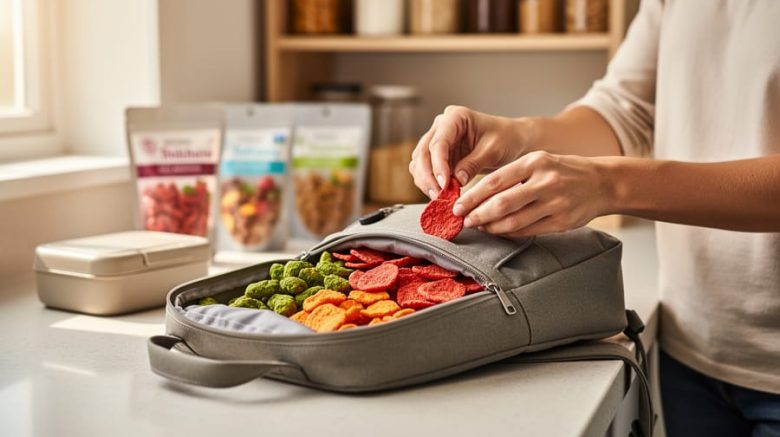
Freeze-dried snacks are shelf-stable foods that have had nearly all their moisture removed through a process of freezing and vacuum drying, preserving much of their original shape, color, and nutritional content. You’ll find them as crispy fruits, vegetables, yogurt bites, and even complete meals on store shelves and in outdoor sections, packaged in pouches that can last months or years without refrigeration.
For parents managing shared custody arrangements, these snacks solve a common problem: keeping healthy options available across two households without constant grocery runs or worrying about food spoiling between parenting days. A pouch of freeze-dried strawberries travels easily in a backpack, sits in the cupboard for months, and offers recognizable nutrition when you’re short on fresh produce. Whether you’re the parent who sees your kids every other weekend or you’re coordinating school lunches between homes, freeze-dried options provide consistency.
But not all freeze-dried snacks are created equal. Some brands add sugar or flavorings that undermine the nutritional advantage, while others deliver nearly the same vitamins and minerals as fresh versions. The texture throws some children off at first, while others love the crunch. And the price per serving can surprise parents used to buying fresh fruit by the pound.
This guide explains how freeze-drying actually works, what types of snacks you’ll encounter, and how their nutrition stacks up against fresh and other processed options. You’ll learn practical strategies for introducing these foods to children who may be hesitant about the unfamiliar texture, and how to spot quality products that genuinely support your family’s health goals across both homes.
What Freeze-Dried Snacks Really Are
Freeze-dried snacks are foods that have undergone a specialized preservation process called freeze-drying, which removes almost all moisture while the food is frozen. The result is a lightweight, crispy product that retains most of its original nutrients, color, and flavor. Unlike other preservation methods, freeze-drying doesn’t rely on heat or air exposure, so you’ll notice the texture is distinctly crunchy and the taste is often more intense than you’d expect from a preserved food.
Here are the key terms that help explain what makes freeze-dried foods different:
- Freeze-drying
- A preservation method that freezes food and then removes moisture under vacuum pressure, leaving nutrients and structure largely intact.
- Sublimation
- The process where frozen water turns directly into vapor without becoming liquid first, which is the core mechanism behind freeze-drying.
- Dehydration
- A different preservation technique that uses heat and air to slowly evaporate moisture, often resulting in chewier textures and some nutrient loss.
- Rehydration
- The ability of freeze-dried foods to absorb liquid and return to a texture closer to their original state, useful for meals and some snacks.
- Shelf-stable
- Foods that can be stored safely at room temperature for extended periods without refrigeration, a major advantage of freeze-dried products.
The biggest difference you’ll notice between freeze-dried and dehydrated snacks is texture. Dehydrated fruits are typically chewy and dense because heat drives out the water slowly, sometimes degrading heat-sensitive vitamins in the process. Freeze-dried versions are light, airy, and shatter easily, think of the strawberries in your child’s breakfast cereal. They dissolve quickly in the mouth, which can be safer for young eaters once they’re developmentally ready.
A common misconception is that freeze-dried automatically means healthy. The process itself preserves nutrients well, but the starting ingredient matters. Freeze-dried ice cream or candy is still ice cream or candy, just without the moisture.
How the Freeze-Drying Process Works
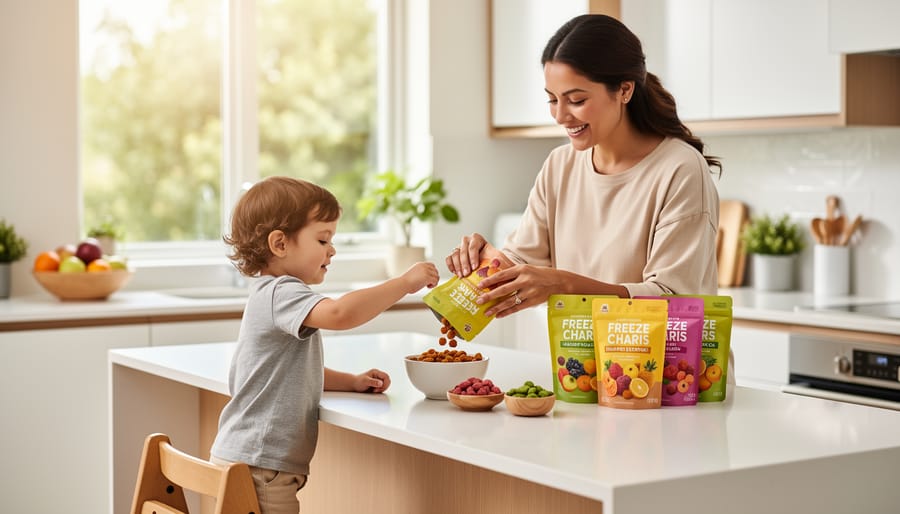
Freeze-drying removes nearly all the water from food while keeping its structure, nutrients, and flavor intact. The process unfolds in three distinct stages, each designed to preserve what matters most.
First, the food is flash-frozen to extremely low temperatures, often below -40°C. This rapid freezing creates tiny ice crystals throughout the food, locking in nutrients and preventing the cell walls from bursting. Fresh strawberries, chicken pieces, or yogurt all start here, frozen solid.
Next comes the vacuum chamber. The frozen food goes into a sealed environment where air pressure drops dramatically. Under this low pressure, something remarkable happens: the ice crystals turn directly into water vapor without ever becoming liquid. This shift from solid to gas is called sublimation, and it’s what makes freeze-drying different from ordinary dehydration.
Finally, gentle heat accelerates the sublimation, pulling out any remaining moisture. The temperature stays low enough that proteins, vitamins, and flavors don’t break down the way they do in conventional drying or cooking. When the process finishes, the food weighs about 90% less than it did fresh, but its shape, color, and nutritional profile remain largely unchanged.
This preservation method outperforms air-drying or oven-drying because heat-sensitive vitamins, especially vitamin C and some B vitamins, survive better at these low temperatures. The food also rehydrates faster when you add liquid, making it practical for quick meals or snacks. For parents comparing options, freeze-dried treats retain more of what fresh food offers than most shelf-stable alternatives.
Types of Freeze-Dried Snacks Available
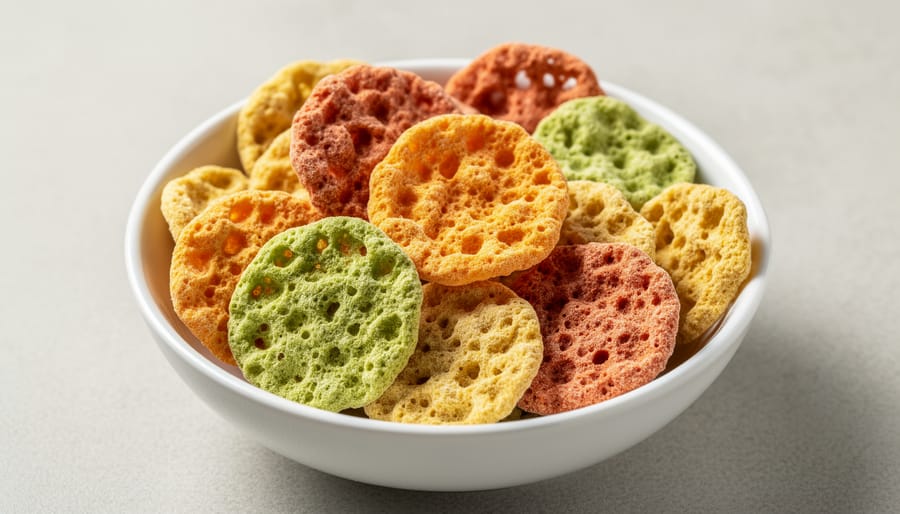
Freeze-dried snacks come in a wide range of categories, and what you’ll find on store shelves has expanded well beyond the astronaut ice cream of decades past. Most parents encounter freeze-dried fruits first, strawberries, bananas, apples, mangoes, and berries are common. These are typically made from whole fruit with no added ingredients, making them a straightforward choice for young children once they can handle the crispy texture. The sweetness is concentrated because the water is removed, but the sugar is naturally occurring.
Vegetables show up less often but are available: freeze-dried peas, corn, green beans, and mixed vegetable blends. These work well as a crunchy side or mixed into meals, though some kids find them less appealing than the sweeter fruit options. Yogurt bites, small dots of freeze-dried yogurt, sometimes fruit-flavored, are popular with toddlers and preschoolers. Check the ingredient list; some brands add sugar or use yogurt powder rather than real yogurt.
You’ll also see freeze-dried cheese, which melts on the tongue and can be a hit with cheese-loving kids, though it’s often higher in sodium. Freeze-dried ice cream and candy are novelty treats that appeal to older children but tend to be heavily sweetened and low in nutrition, think of them as occasional fun rather than a snack staple. Some brands offer full freeze-dried meals (pasta dishes, scrambled eggs, chicken and rice) aimed at camping or emergency preparedness. These can be convenient for travel but often contain added salt, preservatives, and flavor enhancers, so they’re not ideal for regular snacking.
Here’s a quick reference for common categories:
- Freeze-dried fruits: generally safe for toddlers and up, nutrient-dense, watch for texture readiness
- Freeze-dried vegetables: good option for kids who can handle crunch, lower sugar than fruit
- Yogurt bites: popular with young children, check for added sugars and real yogurt content
- Freeze-dried cheese: higher sodium, best for older toddlers and preschoolers in small amounts
- Freeze-dried ice cream and candy: treat category, not for regular nutrition, better for older kids
- Full freeze-dried meals: convenient for travel, often high in sodium and additives, less suitable for young children
For young children, stick with whole-food options like plain fruits and vegetables. Save the ice cream and meal kits for older kids or special situations where convenience outweighs nutritional concerns. Always read the label, freeze-dried doesn’t automatically mean healthy, and ingredients vary widely between brands.
Nutritional Benefits and Considerations
Freeze-dried snacks offer a legitimate nutritional advantage over many shelf-stable alternatives: the process preserves most vitamins and minerals because it operates at low temperatures and removes water without applying heat. You’ll retain much of the vitamin C in strawberries, the potassium in bananas, and the calcium in yogurt bites. That makes freeze-dried fruit and vegetables a reasonable substitute when fresh options aren’t available, during long car trips, at the end of the week before grocery day, or when kids move between homes and you want a portable, non-perishable snack that still delivers real nutrition.
The portability and shelf life are hard to beat. A pouch of freeze-dried mango can sit in a diaper bag for months without refrigeration, won’t bruise or spoil, and weighs almost nothing. For parents coordinating meals across two households, that consistency matters: the same snack works at both homes without worrying about freshness or refrigeration.
That said, not all freeze-dried snacks are created equal. The nutrition depends entirely on what you start with and what gets added during processing. Plain freeze-dried apples are just apples. Freeze-dried “fruit snacks” with added sugar, yogurt coatings, or flavor enhancers are a different story. Some products pack as much sugar per serving as candy, and certain yogurt melts or cheese crisps can be surprisingly high in sodium.
Read the ingredient list first, then the nutrition panel. The best options list one ingredient, blueberries, sweet potato, peas, or a short list of whole foods. Watch for added sugars (cane sugar, fruit juice concentrate, honey), salt, oils, and artificial flavors. Compare serving sizes, too; a 15-gram pouch might look low in calories until you realize your child will eat three.
How to Introduce Freeze-Dried Treats Safely
Age-Appropriate Introduction
Start with foods that dissolve quickly once moistened by saliva. For babies around 8 to 10 months who can sit independently and have mastered soft finger foods, small freeze-dried fruit pieces like banana or mango work well, they melt on contact with moisture and pose less choking risk than harder snacks. Always supervise closely and ensure your child can chew and swallow purees and mashed textures confidently before offering anything freeze-dried.
Toddlers (12 months and up) usually handle a wider variety, including freeze-dried yogurt melts and vegetable crisps, as long as they’re chewing well and sitting upright during snack time. Watch for readiness: if your toddler still stuffs food into their mouth or hasn’t developed a steady chewing rhythm, wait a few more weeks.
Older preschoolers and school-age children generally manage most freeze-dried snacks without issue, though you should still check for sharp edges on harder pieces. Freeze-dried strawberries or apples can become part of lunchboxes or bedtime snack ideas that travel between homes easily.
Introduce one new freeze-dried food at a time, the same way you would any new food, to monitor for allergic reactions. Start with a small portion, observe how your child handles the texture, and increase variety gradually as confidence grows.
Choking Hazards and Safe Serving Tips
Choking is a legitimate worry when introducing any new food, and freeze-dried snacks deserve extra attention because of their texture. They often start hard and crispy, then dissolve quickly once mixed with saliva, but that initial crunch can catch a young child off guard.
Start by testing a piece yourself. Place it on your tongue and notice how long it takes to soften. If it melts within seconds without needing much chewing, it’s generally safer for toddlers who are confident with other crunchy foods like crackers or toast. If it stays rigid or breaks into sharp shards, hold off until your child has more experience managing texture changes.
Always supervise closely during snack time. Seat your child upright, never let them eat while running, lying down, or distracted by screens. Offer small portions, a few pieces at a time, rather than handing over a full pouch.
For younger children or cautious eaters, you can crush freeze-dried fruit into a powder and sprinkle it over yogurt or oatmeal to introduce the flavor without the texture risk. As confidence builds, gradually move to larger, intact pieces. Trust your instincts, if something feels too hard or too risky for your child’s current skill level, wait a few weeks and try again.
Using Freeze-Dried Snacks in Shared Parenting
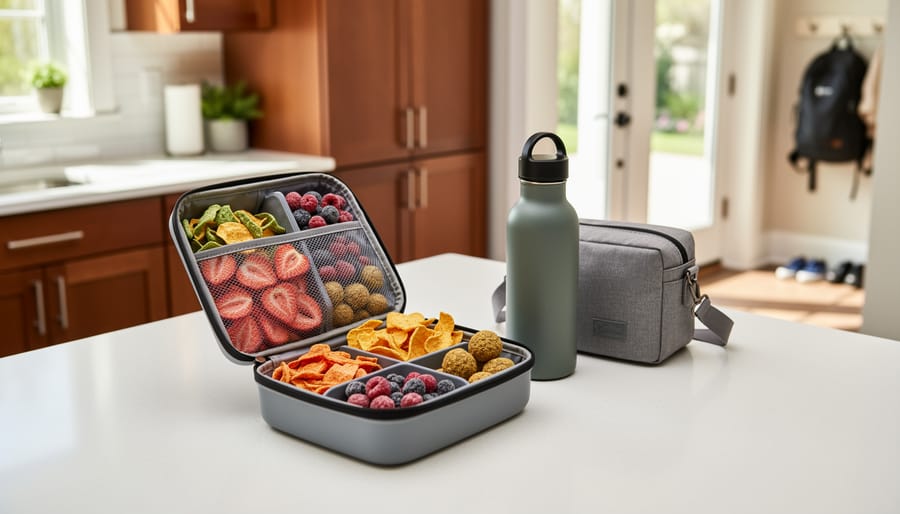
Freeze-dried snacks solve a common challenge in shared parenting: packing healthy, shelf-stable foods that travel well between households and stay fresh for unpredictable schedules. Because they don’t need refrigeration and keep for months or years, you can stock both homes without worrying about spoilage during the weeks your child is at the other parent’s place. A few pouches of freeze-dried fruit or yogurt bites fit easily in a backpack or transition bag, giving your child familiar, nutritious options no matter where they’re spending the night.
Consistency matters when co-parenting, and agreeing on a few shared snack choices helps both parents maintain similar nutrition standards. A quick conversation about which brands or types you’ll both keep on hand prevents confusion and supports your child’s sense of routine. If one household prefers organic freeze-dried strawberries and the other stocks a different brand, that’s fine, just communicate so neither parent inadvertently introduces a new allergen or ingredient the other isn’t aware of.
Consider building freeze-dried snacks into your family routine tips for smoother transitions: pack a small container for car rides, keep a backup stash in each home, and share a simple list of what your child enjoys. This small coordination step reduces last-minute shopping stress and ensures your child has consistent, safe snacks regardless of which parent is on duty.
Common Questions About Freeze-Dried Snacks
Are freeze-dried snacks as nutritious as fresh fruits and vegetables?
Freeze-dried options retain most vitamins and minerals from the original food, making them a solid backup when fresh isn’t available. However, they shouldn’t fully replace fresh produce, variety matters, and whole fresh foods offer fiber, water content, and phytonutrients that work best in their natural form.
How long do freeze-dried snacks last?
Unopened packages typically stay good for 12 to 25 years when stored in a cool, dry place, thanks to the low moisture content. Once opened, they’re best consumed within a few weeks to maintain crispness and flavor, though they won’t spoil quickly if resealed properly.
Are freeze-dried snacks expensive compared to fresh?
Yes, the process is labor-intensive and requires specialized equipment, so freeze-dried versions usually cost more per serving than fresh equivalents. The trade-off is convenience, portability, and zero waste from spoilage, valuable for families managing transitions between homes.
Can I use freeze-dried snacks as meal replacements for my child?
Not regularly. They’re best as supplements or portable treats rather than staples, since children need the hydration, fiber, and variety that balanced meals provide. Think of them as handy additions to lunchboxes or travel kits, not the foundation of daily nutrition.
Parents juggling custody schedules often appreciate knowing these snacks won’t go bad if a visit gets rescheduled. They’re shelf-stable enough to keep a stash at each household without worrying about waste. Just like maintaining consistency with healthy sleep habits or other parent health basics across homes, having the same snack options available helps kids feel grounded no matter where they are. The cost might seem steep upfront, but the lack of spoilage and long shelf life can balance out over time, especially if you buy in bulk or choose store brands over specialty labels.
Freeze-dried snacks can be a smart addition to your family’s nutrition toolkit when you approach them thoughtfully. They offer real advantages: nutrient retention close to fresh, lightweight portability for transitions between homes, and shelf stability that fits unpredictable schedules. But they’re not magic. They work best as one option among many, not a replacement for whole fruits, vegetables, and balanced meals.
The key is reading labels, choosing whole-food varieties without added sugars or excessive sodium, and introducing them gradually with attention to your child’s age and readiness. Start small, supervise carefully, and communicate with your co-parent about what’s working. Consistency matters, especially when kids move between households.
You don’t need to overthink this. Freeze-dried snacks aren’t inherently good or bad, they’re a tool. Used wisely, they can simplify busy days, support nutrition across both homes, and give your child healthy options they actually enjoy. Trust your judgment, stay flexible, and remember that feeding your kids well doesn’t require perfection. It requires presence, consistency, and a willingness to adapt as your family’s needs change.